Rob·Oil Invest

Oil in.
Clean water out.

A solar-powered robot that skims oil film from harbours and shallow bays where ships can’t reach. No fuel. No crew on the water. Built in Baku, for the Caspian.

per robot, per day*
~600 m²
fuel burned
0 L
draught, reaches the shallows
~6 cm

*Design estimate at 0.2 m/s, 6 h a day. Not yet measured.

The story

The sea that built Baku

Oil gave Baku its skyline, its jobs and its place in the world. The Caspian carried that story too. Now it is time to give something back.

  1. 1840s

    Oil built a city

    Some of the world’s first industrial oil wells were drilled on the Absheron peninsula. By the early 1900s Baku produced around half of the world’s oil, and the city grew with it.

  2. 1949

    Out onto the water

    Neft Daşları, the Oil Rocks, became the world’s first town built on the open sea for offshore oil, a landmark of engineering far from shore.

  3. Today

    A closed sea remembers

    The Caspian has no outlet to the ocean, so what reaches it tends to stay. Decades-old structures, sunken vessels and occasional small leaks leave thin films of oil, especially in calm, shallow bays like Baku Bay. The Caspian seal, found nowhere else on Earth, is listed as endangered.

    Source: Cabinet of Ministers meeting on Baku Bay, Jan 2026 ↗
  4. 2026

    A new chapter

    The government has ordered a clean-up plan for Baku Bay, and the energy sector is investing in a greener future through initiatives such as SOCAR Green. The will is there. What is missing are small, clean tools for the last metres near the shore.

  5. Next

    Where we come in

    RobOil is our contribution: a solar robot that works quietly where ships cannot, collecting the film that is left behind, so the sea that built Baku can be clean again.

    Join the next chapter
Meet the robot · solar-powered · Caspian Sea

Clean water
where ships
can’t go

RobOil is a 780 mm solar robot that skims oil film from harbours, bays and shallow coastal water, where ships cannot reach and people clean by hand. No fuel, no crew on the water, and the oil is stored on board.

Full 3D design completeControl electronics testedPatent application in preparationReady to 3D-print
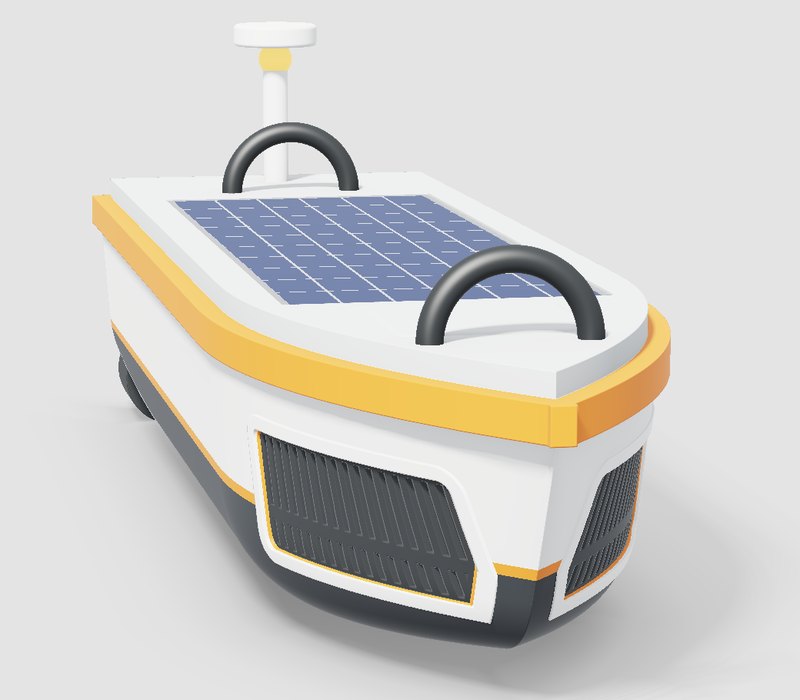
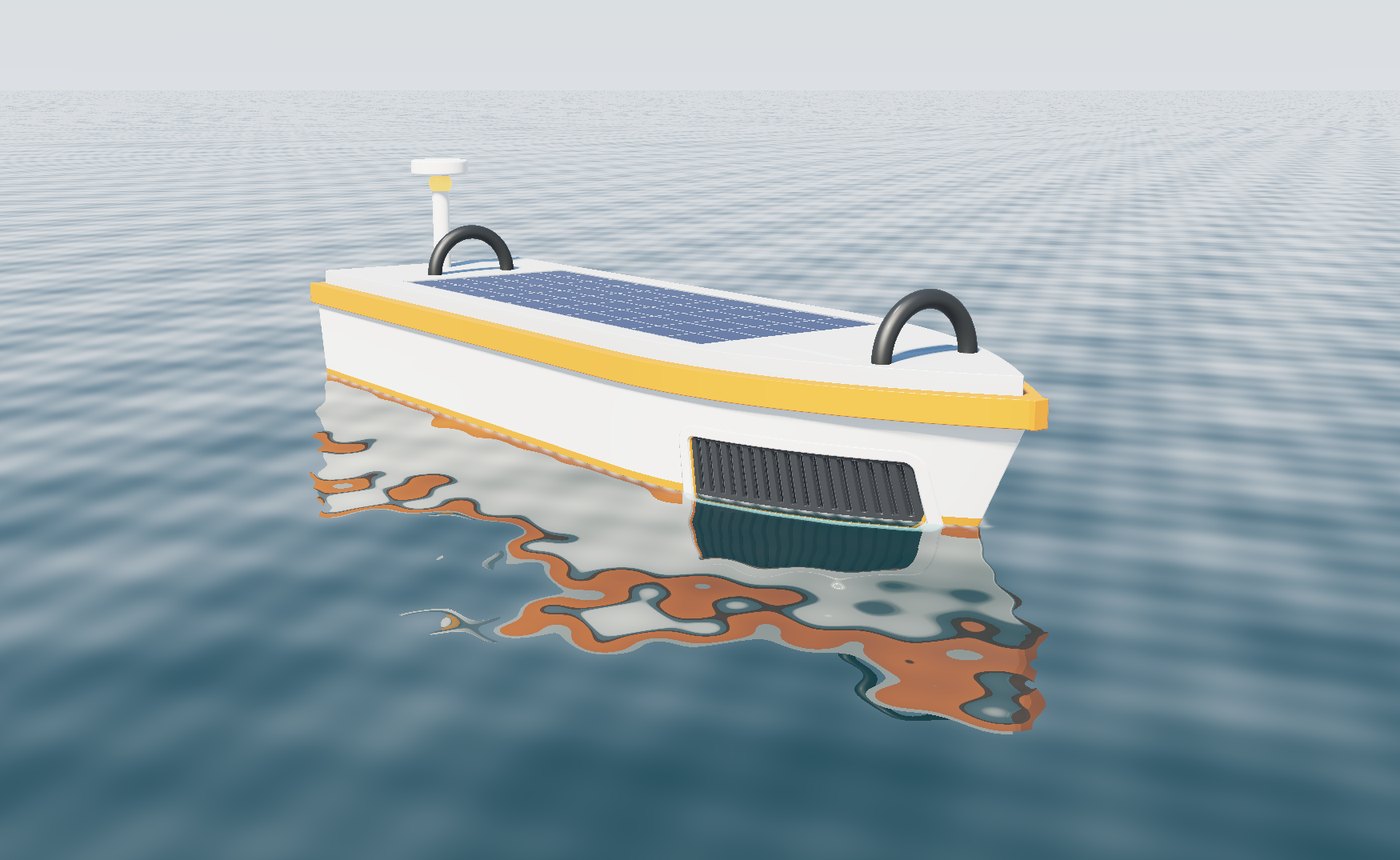
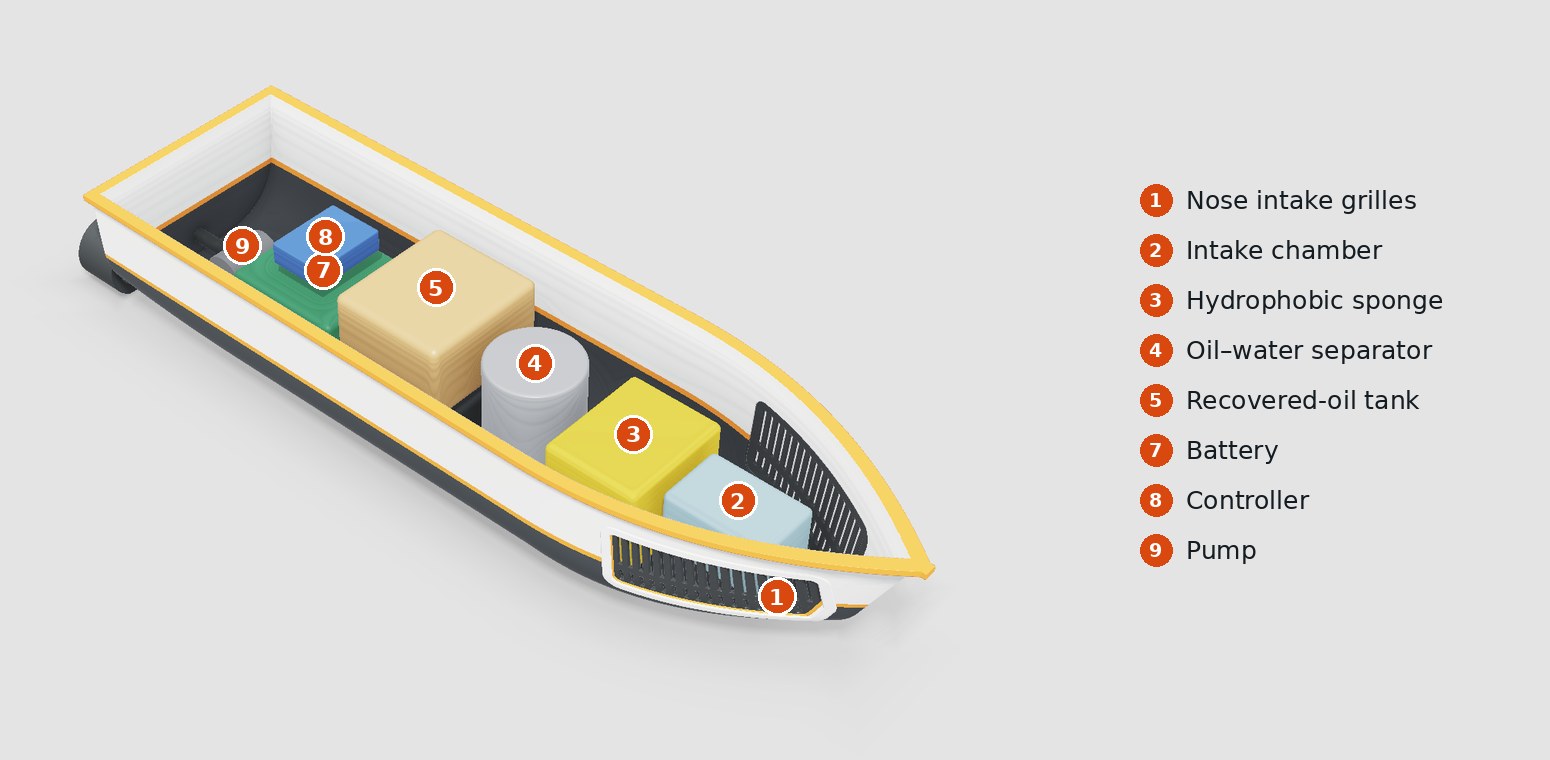
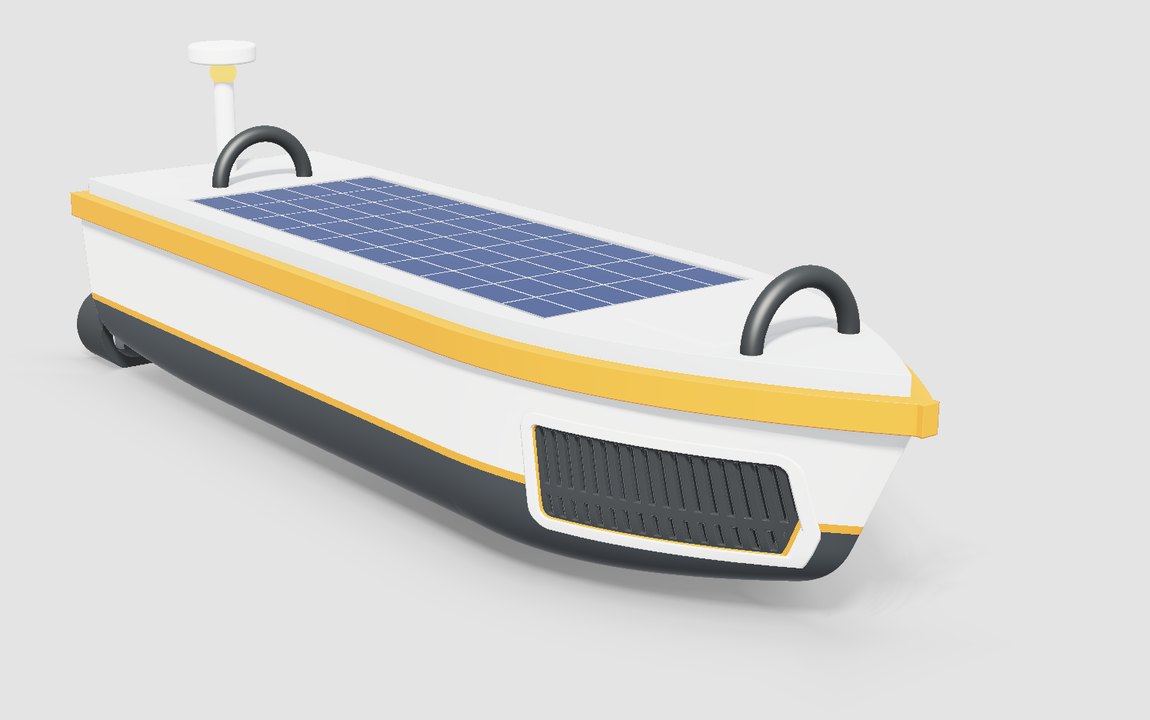
White robotic boat with an orange rim, a solar panel on the deck, a sharp curved bow with a dark slot grille at the waterline, and thrusters at the stern
Refined concept · computer-generated
780 mmoverall length, launched by hand
0 Lfuel used, solar and battery powered
2stern thrusters, steers without a rudder
205 mmbeam, fits between moorings

Confidential · prepared for SOCAR Green and invited reviewers · patent application in preparation

The problem

The last metres of a spill

Big skimming vessels, booms and sorbents handle open water. Close to shore, they run out of depth, space and budget, and the remaining film is left to slow manual work.

“Near the coast, where large ships cannot operate, a lot of oil remains, and smaller means are needed to recover it.”

From the project’s research plan

  • DraughtSkimming vessels need deep water. Shallow bays and beaches are out of reach.
  • SpaceQuay walls, marinas and moorings leave no room to manoeuvre a ship.
  • CostMobilising a vessel for a small, persistent sheen rarely makes sense.
  • LabourWhat remains is cleared by hand with pads, slowly and with exposure to oil.

Why now

Baku is cleaning its coast

Azerbaijan hosted COP29 in 2024, and in 2026 the government ordered the clean-up of oil slicks in Baku Bay. The need is official, local and immediate, and the tools for the shallow last metres are missing.

Jan 2026

The Cabinet of Ministers ordered an action plan for Baku Bay, including cleaning oil slicks on the water along Seaside Boulevard.

Seaside Boulevard Office ↗
Jun 2026

An oil slick off the Absheron coast, between Pirallahi and Dubendi, forced a subsea pipeline to be shut down.

Ports Europe ↗
$152 bn

Estimated global oil spill management market in 2025, projected to reach about $238 bn by 2035.

SNS Insider ↗

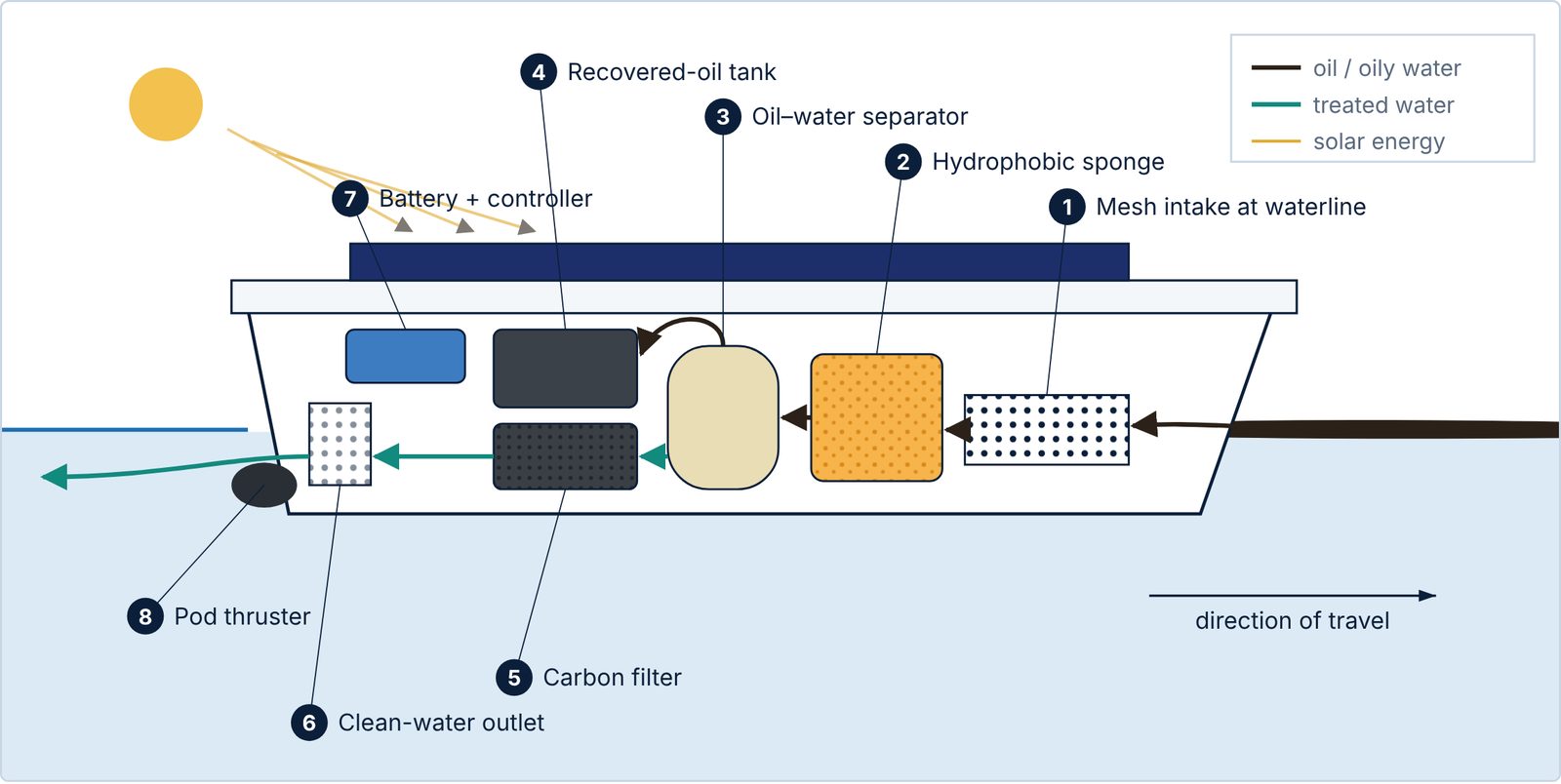
How it works

From slick to clean lane

Select a step to see the part of the robot that does the work.

    Design

    Our advantage

    Small enough to go where others can’t

    RobOil fills the gap between ships that are too big and hand-cleaning that is too slow.

    RobOilManual pads and crewsSkimmer vessel
    Shallow water, next to quaysYes, about 6 cm draughtYesNo, needs depth and space
    FuelNone, solar and batteryNoneDiesel
    People on the waterNone, controlled from shoreSeveral workersFull ship crew
    Workers exposed to oilNoYesPartly
    Oil stored and recoveredYes, closed tank on boardSoaked pads become wasteYes
    Cost to deployLow, launched by handLow equipment, high labourHigh, vessel mobilisation

    RobOil figures are design targets for the full-size robot. Design

    Design

    Engineered in detail

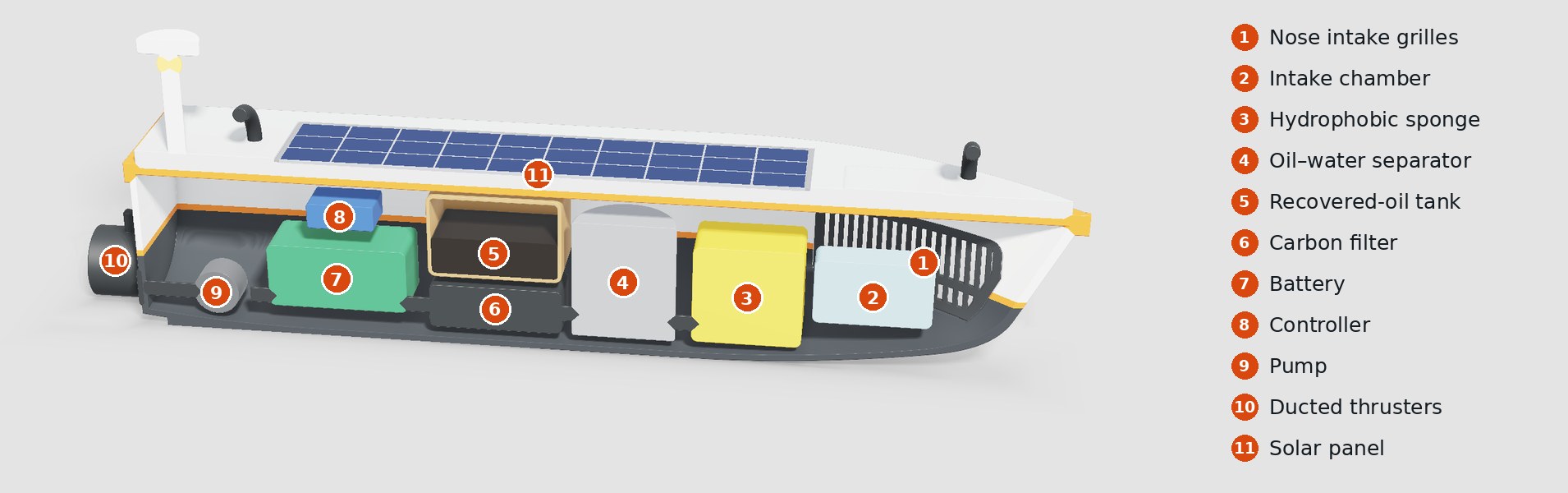
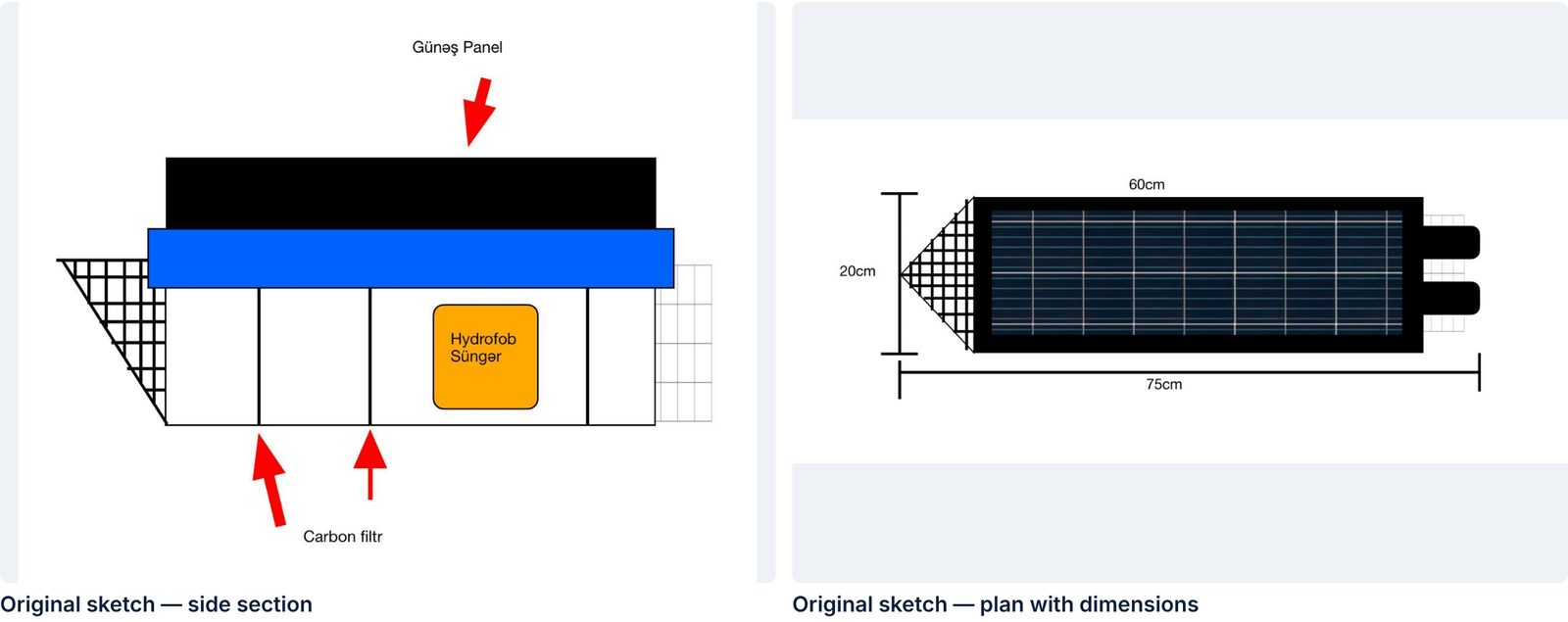
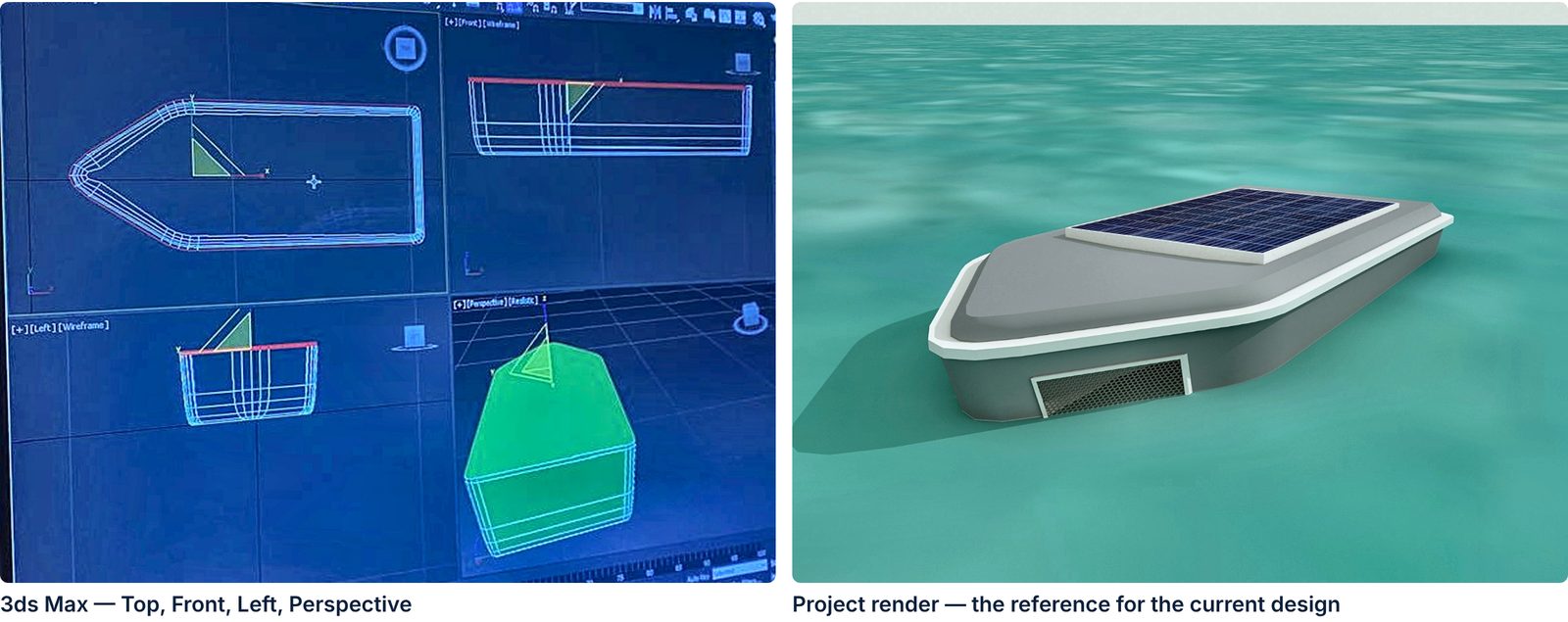
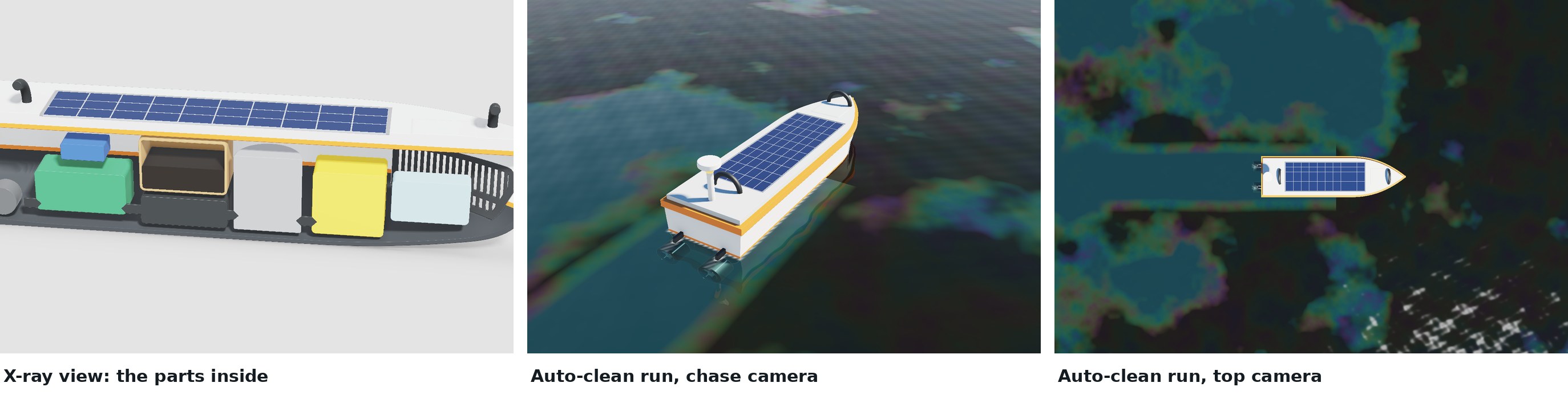
    From hand sketches to a dimensioned general arrangement, an AutoCAD and 3ds Max model, and an interactive simulation set in Baku Bay.

    Progress

    What is built, and what is next

    We label everything honestly. The full design is complete and the control electronics have been tested on a desk. There is no physical prototype yet: the floating hull and the oil system are the next stage.

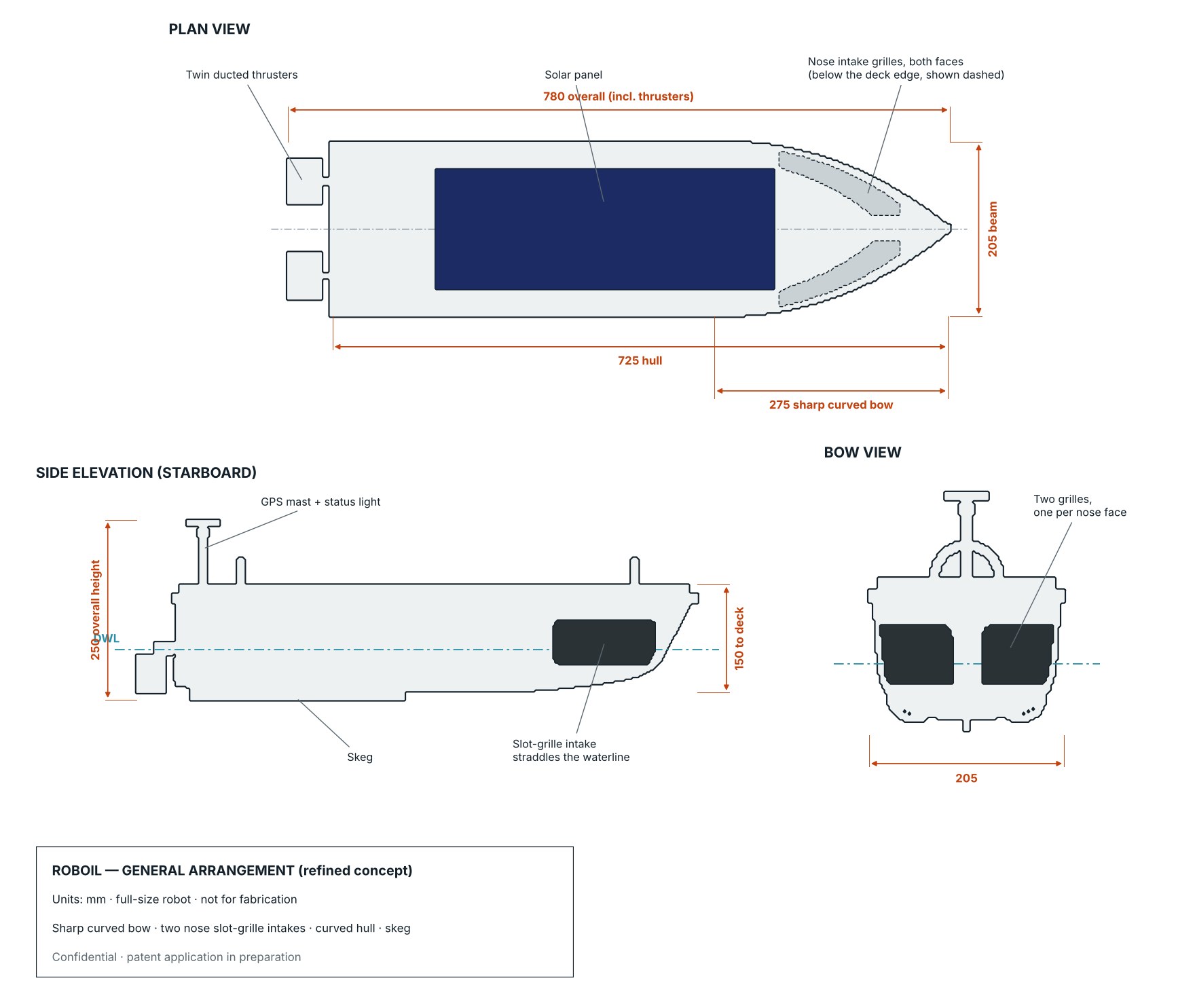
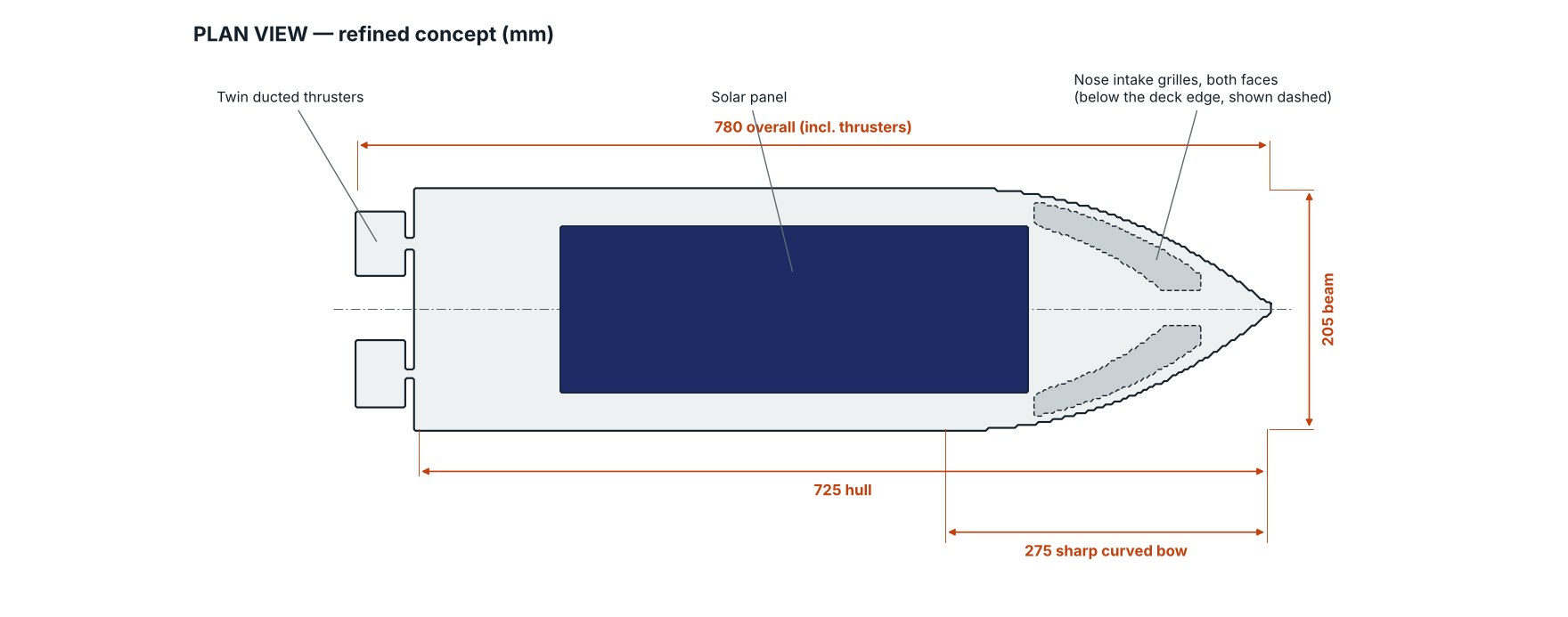
    Dimensioned plan view: 780 mm overall, 725 mm hull, 205 mm beam, sharp curved bow with an intake grille on each nose face

    Plan view of the refined concept. The two intake grilles sit on the faces of the nose, below the deck edge. Electronics test (Arduino Uno and L298N driving two motors) done on a desk on 17 October 2026.

    WorkStatus
    Problem definition and research planCompleted
    Concept sketches with dimensionsCompleted
    3D design in AutoCAD and 3ds Max, renderCompleted
    Interactive operating simulationCompleted
    Refined hull and bow intake design (computer model)Completed
    3D-printed 1:4 display modelReady to print
    Electronics test: two-motor controlDone on desk
    Physical prototype (floating robot)Not built yet
    Oil collection, separation, storage, filtrationDesigned
    Watertight hull, propellers, solar charging, BluetoothNext stage
    On-water oil-removal performanceTo be measured

    Roadmap

    Five gates to a pilot

    Each phase ends with recorded evidence before the next one starts.

    1. PHASE A

      Electronics test

      Two-motor control with Arduino and L298N, on a desk.

      GATEDone, video recorded
    2. PHASE B

      Integrated hull

      Watertight hull, propellers, solar panel and battery, Bluetooth.

      GATEFloats level, trims and steers in still water
    3. PHASE C

      Tank oil trials

      Contained tank with surrogate oil, repeated measured runs.

      GATEMeasured removal and recovery efficiency
    4. PHASE D

      Sheltered trial

      Boomed harbour area, with permits and a safety plan.

      GATEPerformance in wind, waves and real film
    5. PHASE E

      Pilot

      GPS autonomy, several units working together, partners.

      GATEIndependent review

    Coverage estimate

    How far could a fleet reach?

    Adjust the inputs to see the theoretical area a fleet of robots could sweep. This is a ceiling for judging future test results, not a measured performance.

    Fleet coverage per day
    0 m²
    0m² per robot per hour
    0m² per fleet per week

    Defaults use the documented 200 mm beam and the 0.2 m/s speed from the simulation. Widths above 200 mm assume optional folding guide booms, a possible future add-on. Illustrative

    Partner with us

    Put the first robot on the water

    We are raising funding and partners to build the first working prototype and prove it in measured oil trials. We are open to a grant, sponsorship or seed investment.

    Mentoring

    Review of the design and test plan by engineers experienced in spill response and marine equipment.

    Test facility

    Access to a test tank or laboratory for the contained oil trials of Phase C, under supervision.

    Pilot site

    A sheltered, boomed area at a coastal facility for Phase D, subject to safety and environmental approval.

    Prototype funding

    Sealed motors, propellers, solar panel, battery and sensors for Phase B. See the budget below.

    Funding needed

    4,600AZN · ≈ $2,700
    • Prototype electronics and drive1,800
    • Hull and 3D-printed parts900
    • Contained oil trials800
    • Patent filing and IP support700
    • Contingency400

    Estimate in AZN, to be confirmed with supplier quotes.

    What early partners get

    • Founding partner creditOn the robot, the pilot and every presentation and publication.
    • First access to resultsTrial data and performance reports before anyone else.
    • Priority for the next stageFirst talks on fleet deployment, licensing and pilot sites.
    • A visible clean-coast projectA local, measurable environmental story for Baku Bay.

    The team

    Aydin MammadovEngineer & Operatormammadovaydin.yt@gmail.com
    Maryam AgayevaProject Manager & Promotermaryam.agayeva20@gmail.com
    MuradKhan MammadovEngineer & Operatormuradkhanmammadov10@gmail.com
    Invest in RobOil